Want to sell Alexander Calder mobiles? Our gallery considers original hanging and standing mobiles for potential direct purchase. Send photographs, dimensions and any ownership records for a confidential evaluation. We review each sculpture individually and may make a purchase offer for works that fit our current acquisitions.
Hanging and Standing Calder Mobiles
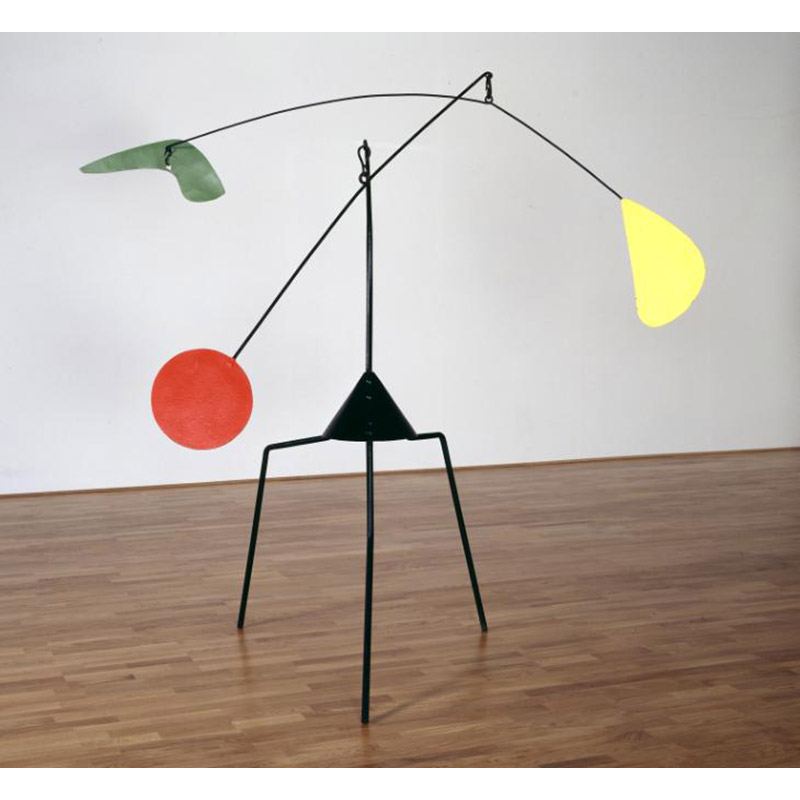
Calder’s mobiles explore movement through balanced sculptural elements. Hanging mobiles are suspended, while standing mobiles incorporate moving elements supported by a base. Materials can include sheet metal, wire, rods, wood and paint, depending on the work. Tell us how your sculpture is supported and include views showing its complete construction.
Selected Alexander Calder Mobiles
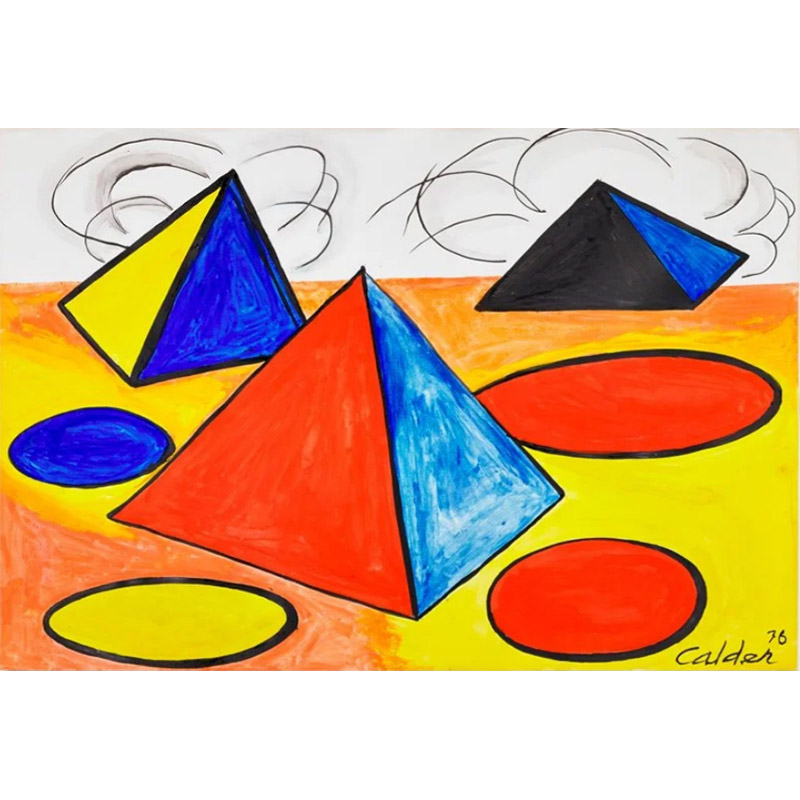
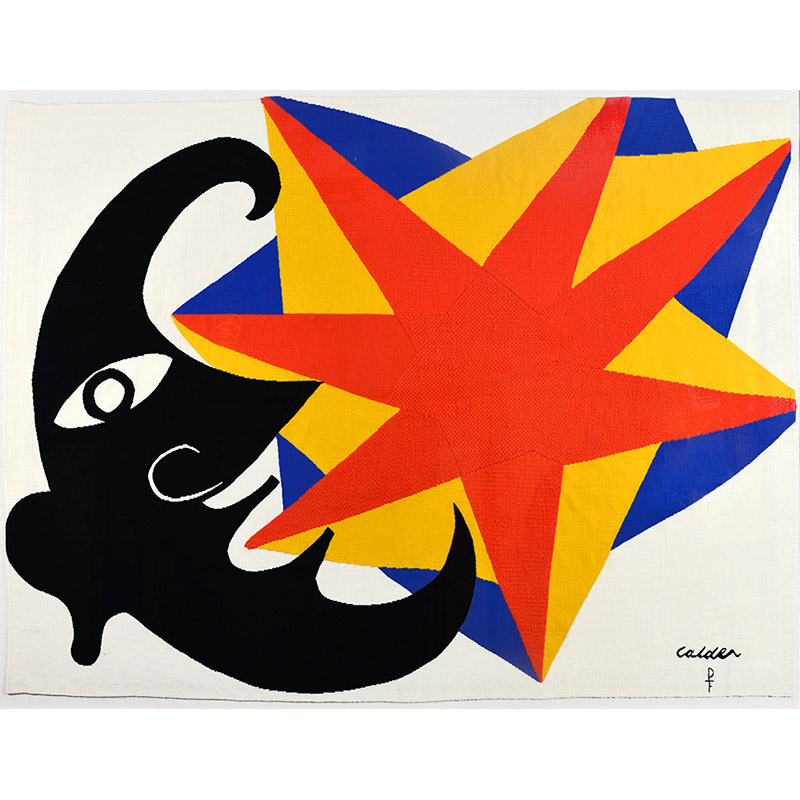
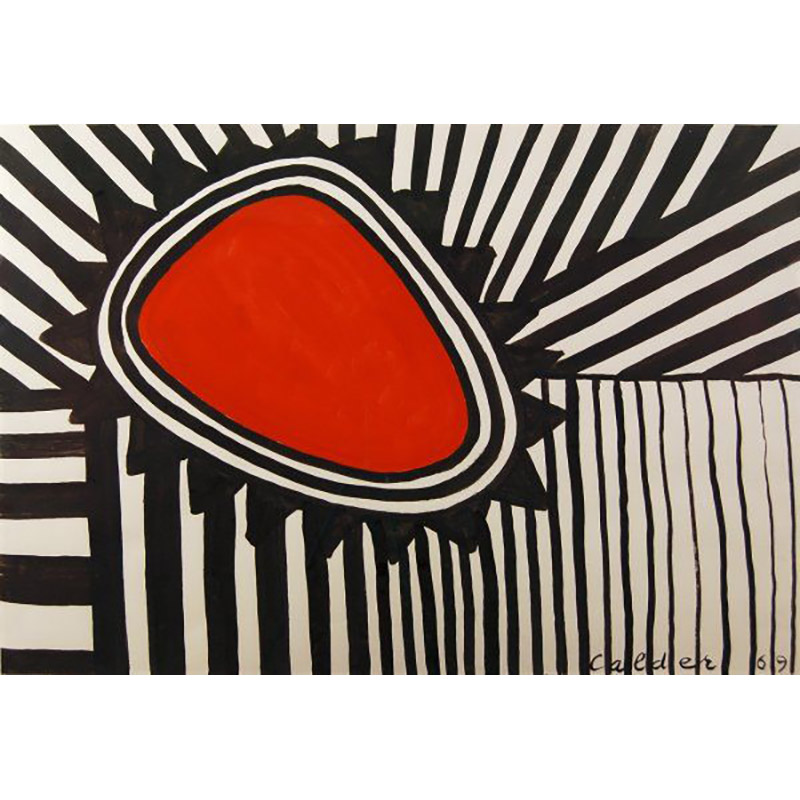
These documented examples illustrate the variety of Calder’s mobiles across different periods and scales.

Mobile, 1936
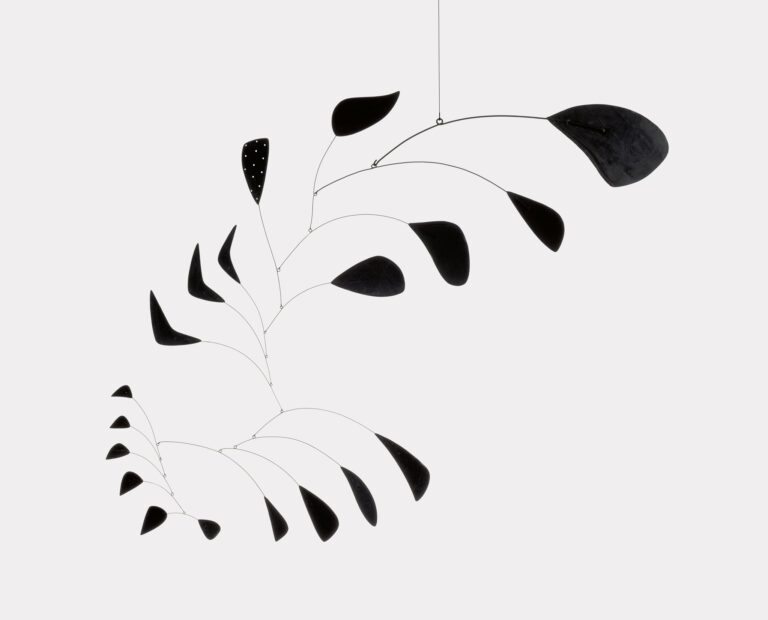
Vertical Foliage, 1941

Arc of Petals, 1941
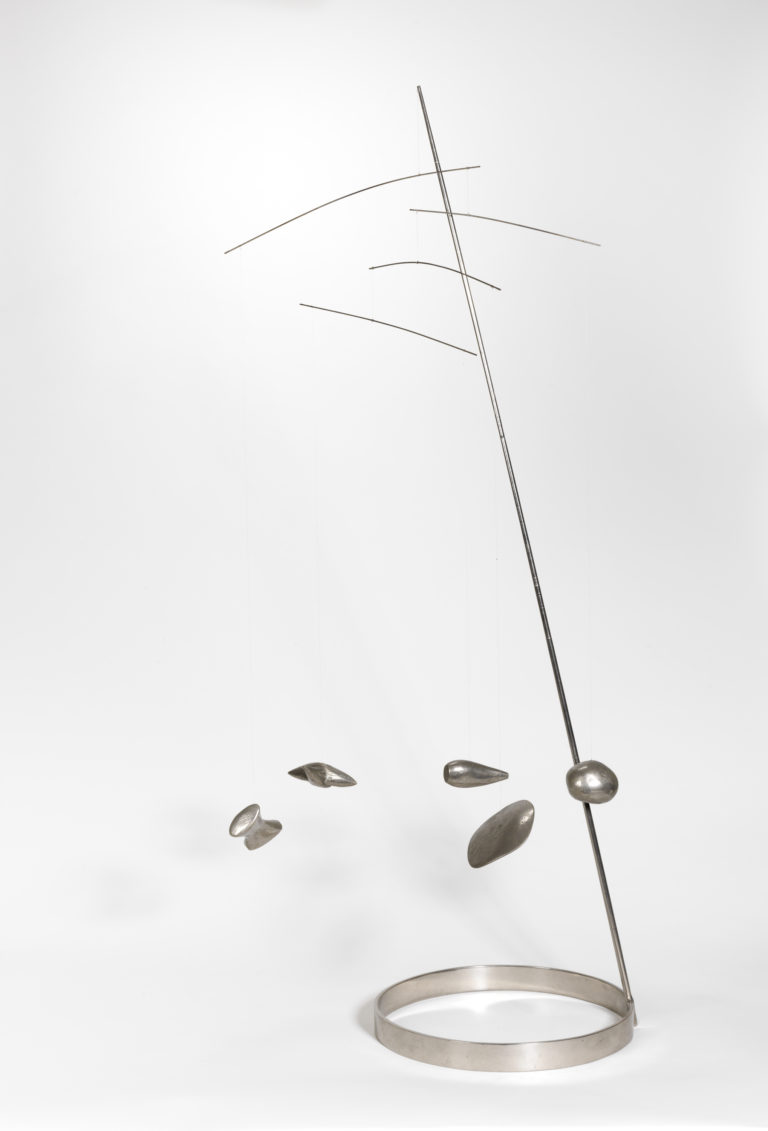
Mobile, c. 1934
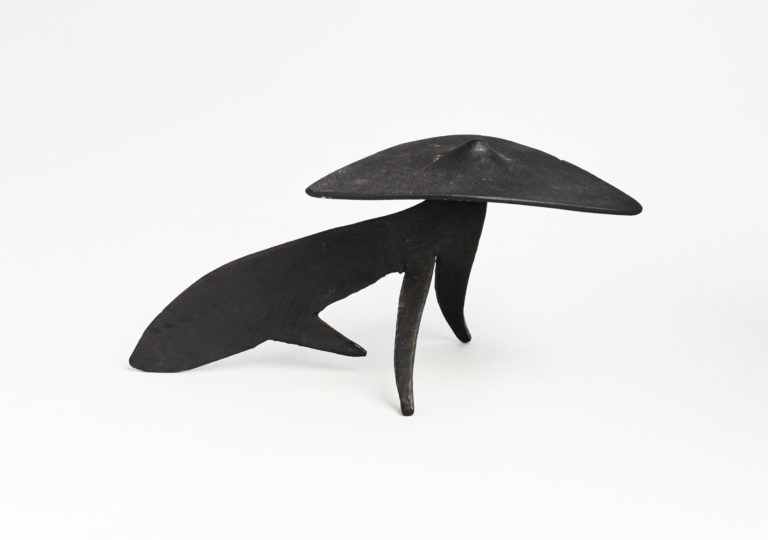
Untitled, c. 1950
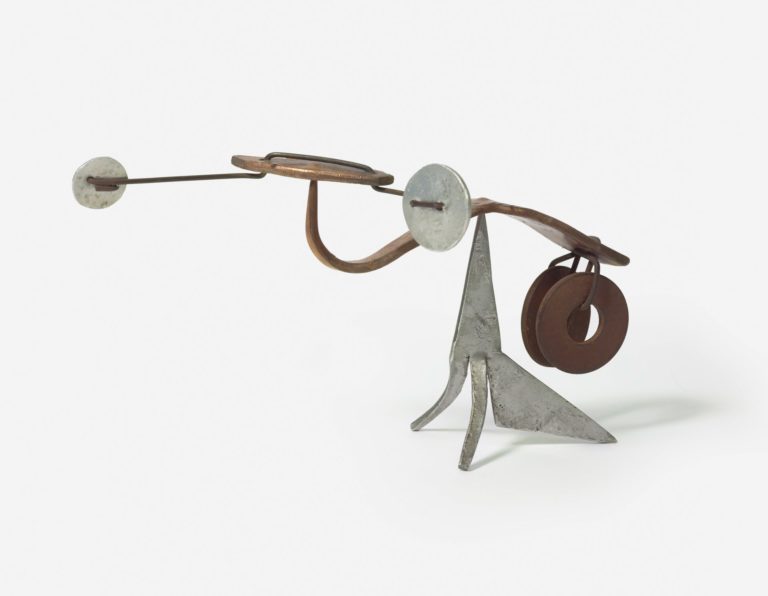
Untitled, c. 1970
What Affects the Value of a Calder Mobile?
The exact sculpture, date, scale, composition, materials, condition and provenance all matter. We review relevant completed sales and current demand for comparable works. A small standing mobile and a large hanging construction require different comparisons. Read our Alexander Calder value guide for more information.
Original Mobiles and Decorative Objects
Later decorative objects made in Calder’s style should be identified separately from sculptures by the artist. Appearance or a monogram alone is insufficient; the work’s construction, history and supporting records need to be reviewed.
Provenance and Calder Foundation Information
Keep invoices, historic photographs, exhibition records, correspondence and any Calder Foundation documentation with the work. These records help establish its history and support identification.
The Calder Foundation accepts applications for archive registration and may consider works for physical examination. An application does not guarantee registration. The Foundation does not issue certificates of authenticity or provide valuations. Include any existing archive information when contacting us; a photographic gallery review does not replace the Foundation’s examination process.
Condition and Original Construction
Tell us about repainting, corrosion, bent rods, repairs, missing elements or changes to the suspension. Such changes can affect how a mobile is assessed. Avoid bending, repainting or rebalancing the sculpture before review. If conservation is needed, discuss the work with an appropriate specialist before treatment.
What to Send With Your Inquiry
- Photographs of the complete sculpture from several angles.
- Close-ups of signatures, dates, connections, labels and condition issues.
- Dimensions and the artwork’s current location.
- Purchase records, ownership history and Foundation documentation, if available.
Photograph the work as it is safely installed. You do not need to dismantle or move a mobile simply to begin an inquiry. For further guidance, see researching an Alexander Calder artwork.
How Selling Your Calder Mobile Works
We begin with your photographs and records, then explain whether additional information or an inspection is needed. If we agree on a purchase, we confirm the terms and can coordinate payment, professional packing, insurance and transportation. Read how the selling process works before arranging shipment.
Sell Your Alexander Calder Mobile
Send photographs and the details you know. Our gallery will review your submission for a confidential evaluation and potential direct purchase offer, with no obligation to sell.