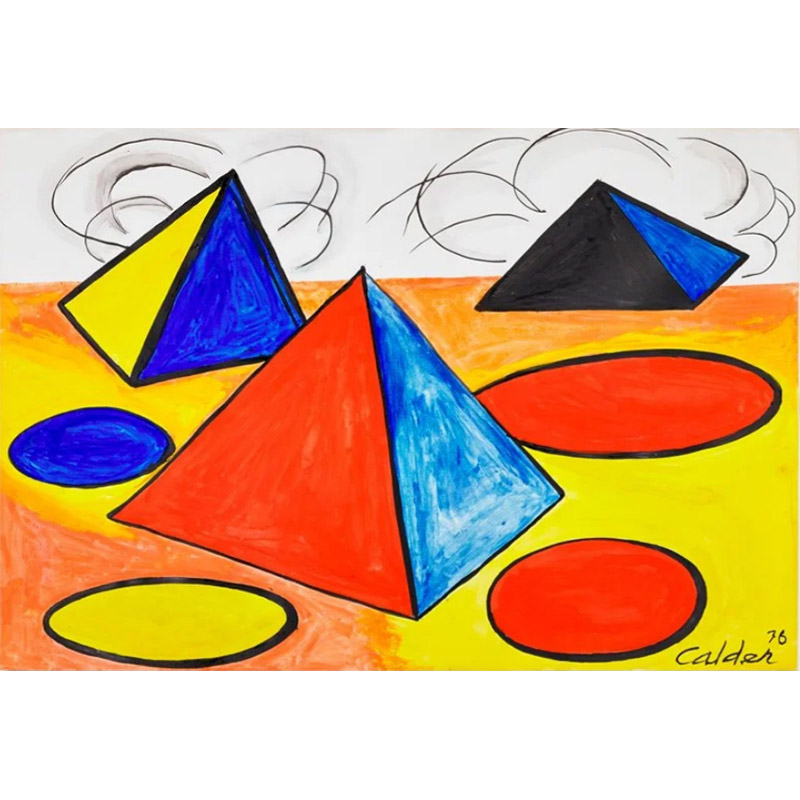
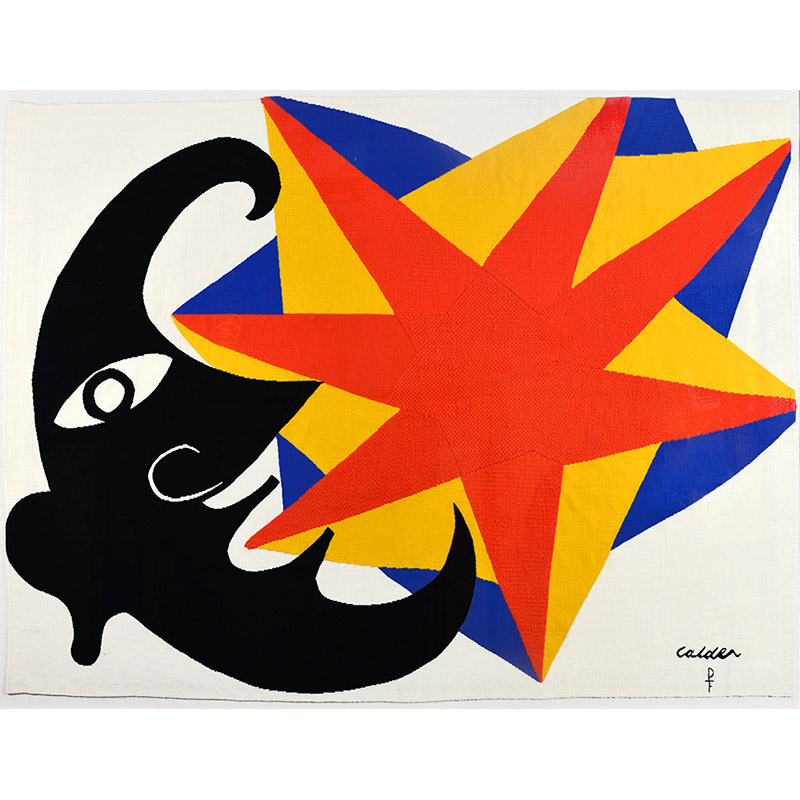
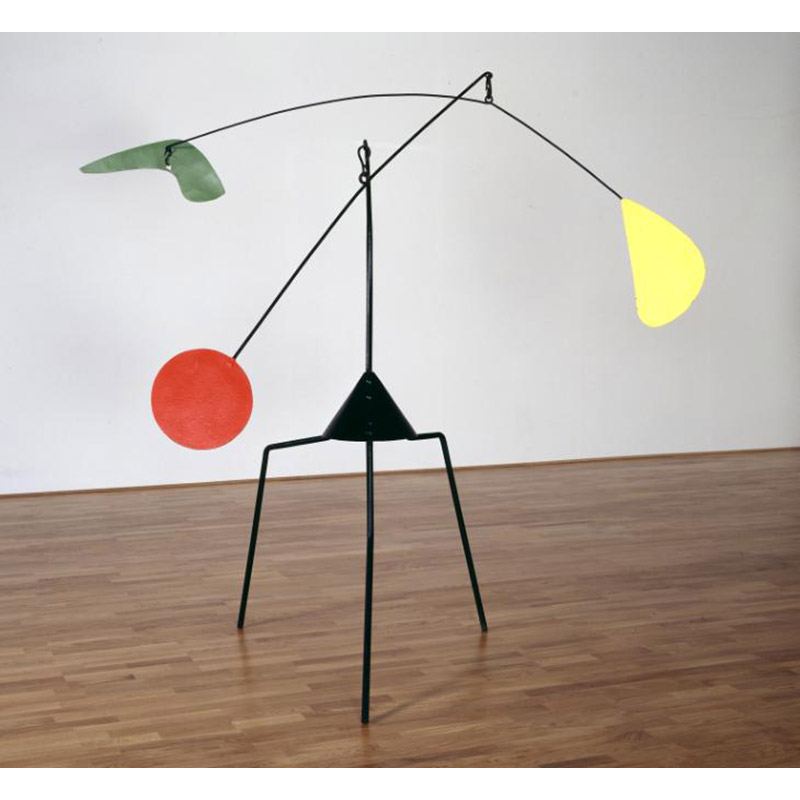
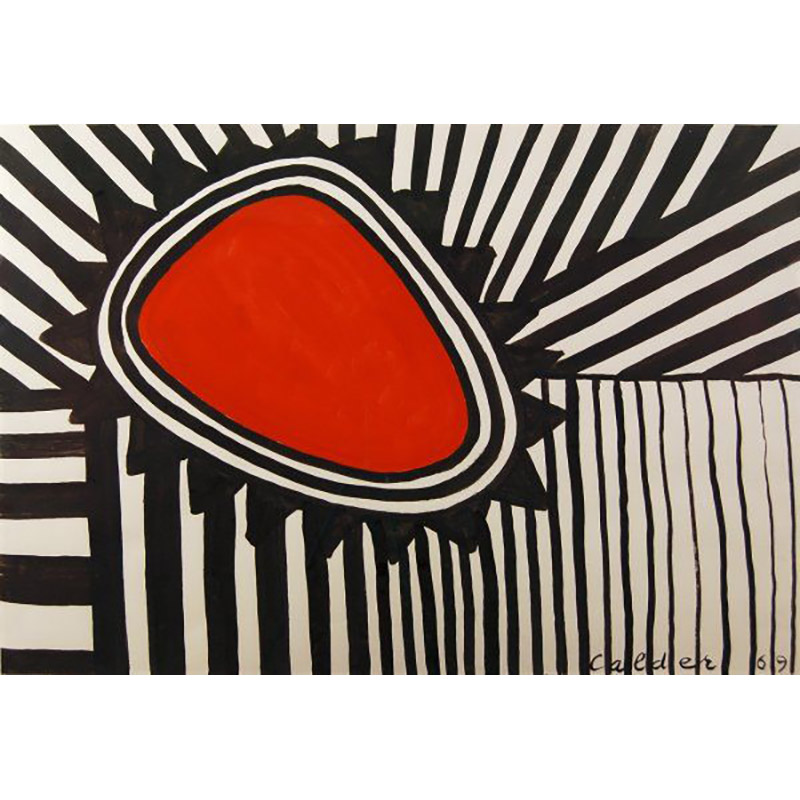
If you are considering selling an Alexander Calder mobile, stabile, sculpture, gouache, drawing, print or other artwork, the first step is identifying exactly what you own. Calder worked across sculpture, painting, gouache, drawing and printmaking, and the value of one work can differ substantially from another based on medium, date, size, construction, provenance, condition, documentation, rarity and current collector demand.
We evaluate Alexander Calder artworks for private collectors, estates, families and owners who want to understand what they own and determine the best way to sell it. For works we are actively seeking, we may also make a confidential direct purchase offer.
What Kind of Alexander Calder Artwork Do You Own?
Alexander Calder created an unusually diverse body of work ranging from kinetic sculpture to works on paper and prints.
We evaluate:
- Hanging mobiles
- Standing mobiles
- Stabiles
- Maquettes and small sculptures
- Gouaches
- Gouache-and-ink works on paper
- Drawings
- Paintings and other unique works
- Lithographs and prints
- Signed and numbered editions
Correctly identifying the medium and type of work is especially important with Calder because a unique mobile, a stabile, a gouache and an editioned print occupy very different markets.
How Much Is My Alexander Calder Worth?
The value of an Alexander Calder depends on the exact artwork rather than the artist’s name alone.
Important factors can include:
- Medium
- Date or period
- Size and scale
- Construction
- Signature
- Condition
- Provenance
- Exhibition history
- Calder Foundation archive information
- Rarity
- Recent comparable sales
- Current collector demand
For unique Calder works, provenance and documented history can be particularly important. Major auction catalogues commonly identify Calder works by medium, dimensions, signature, date, provenance and Calder Foundation archive registration or application information.
Recent auction results provide useful market evidence, but the strongest comparisons are generally sales of the same type of work with similar date, scale, provenance and condition.
What Determines the Value of an Alexander Calder Artwork?
Several factors can materially affect Calder market value.
Medium and Type of Work
Calder’s market spans hanging mobiles, standing mobiles, stabiles, monumental sculpture, smaller sculptural works, gouaches, drawings and prints.
Each category has its own collector market. A unique kinetic sculpture should not be valued using the same comparisons as a gouache or editioned lithograph.
Date and Period
The date of a Calder can influence collector interest. Works from different periods of his career can vary considerably in scale, construction, imagery and market demand.
Size and Construction
For mobiles and stabiles, dimensions, materials, complexity, balance and construction are important identifying and valuation factors.
For works on paper, dimensions, medium and composition can also influence demand.
Provenance
Provenance is especially important for unique Calder works. Gallery invoices, collection history, auction records, exhibition history, estate documentation and other records can help establish the history of the artwork.
Condition
Condition can materially affect value.
For sculpture, we may consider paint surfaces, oxidation, repairs, replacement elements, structural issues and previous restoration.
For gouaches and works on paper, fading, staining, foxing, creases, tears, mounting and restoration may affect marketability.
Calder Foundation Registration and Archive Information
The Calder Foundation maintains an extensive archive of Alexander Calder’s work. Owners of works attributed to Calder can apply to register their artworks with the Foundation.
Registration information can be an important part of researching a Calder because archive records may document details such as the work’s image, title, date, dimensions, medium, provenance and exhibition or publication history.
It is important to understand that archive registration is not the same as an appraisal or valuation. The Calder Foundation does not provide market valuations, and submitting a work for registration does not guarantee that it will be registered.
If your Calder has a Foundation registration or application number, previous correspondence or other archive information, please include it when contacting us.
Alexander Calder Mobiles and Stabiles
Calder is particularly associated with kinetic sculpture and the development of the mobile.
When evaluating a hanging mobile, standing mobile or stabile, important details can include:
- Dimensions
- Materials
- Construction
- Signature or inscription
- Date
- Provenance
- Exhibition history
- Calder Foundation information
- Condition
- Previous repairs or restoration
Because Calder sculpture varies greatly in scale and complexity, identifying the exact work is essential before discussing market value.
Alexander Calder Gouaches and Works on Paper
Calder also produced an extensive body of gouaches, drawings and works on paper.
For a Calder gouache, we may review:
- Date
- Dimensions
- Medium
- Signature
- Composition and imagery
- Paper condition
- Provenance
- Exhibition history
- Calder Foundation archive information
- Recent comparable sales
Gouaches and gouache-and-ink works appear regularly in the secondary market, but prices can vary significantly depending on the exact work and its history.
Alexander Calder Prints and Lithographs
Calder created numerous lithographs and other editioned works.
For Calder prints, important valuation factors may include:
- Image
- Edition size
- Signature
- Edition number
- Paper
- Printer
- Publisher
- Dimensions
- Condition
- Provenance
A signed and numbered Calder lithograph occupies a different market from an unsigned reproduction or decorative print, so correctly identifying the edition is important before estimating value.
Is My Alexander Calder Authentic?
A signature alone should not be used to determine whether an Alexander Calder artwork is authentic.
Identification may involve the work’s medium, materials, construction, dimensions, signature, date, provenance, exhibition history, previous ownership and available Calder Foundation documentation.
For sculptures in particular, clear photographs from multiple angles can be important. Images of the signature, base, connections, moving elements, reverse and any labels can help with preliminary research.
If you are unsure what you own, send us photographs and whatever documentation you have. We can help determine the appropriate next step for researching the artwork.
Should I Sell My Alexander Calder Privately or at Auction?
Both private sale and auction can be appropriate depending on the artwork.
Auction can provide broad exposure for rare or highly desirable Calder works, particularly significant mobiles, stabiles and sculptures that may attract competitive bidding. However, auction can also involve estimates, reserves, scheduled sale dates, seller-related costs and the possibility that a work does not sell.
A direct private sale can offer greater discretion, more control over timing and a more predictable transaction.
Before deciding how to sell your Calder, it is important to identify the exact artwork and review its medium, date, condition, provenance, archive documentation, relevant recent sales and current collector demand.
How to Sell Your Alexander Calder
Start by sending clear photographs of the artwork along with any information or documentation you have.
For sculpture, include multiple views showing the entire work, signature, base, construction and any labels.
For gouaches and works on paper, include photographs of the front and reverse, signature, dimensions and labels.
We can then:
- Identify the specific Calder work
- Review provenance and available documentation
- Assess condition
- Review Calder Foundation information, if available
- Examine relevant recent sales
- Consider current private-market demand
- Determine whether the artwork may be appropriate for a direct purchase offer
You do not need to know every detail before contacting us. Clear photographs are often enough for us to begin researching the work.
Why Sell Your Alexander Calder With Us?
Our gallery has decades of experience buying and selling Modern and Post-War art and works with private collectors, estates and institutions throughout the United States and internationally.
Each Alexander Calder is evaluated individually. We focus on identifying the exact artwork, understanding its condition and provenance, reviewing available archive documentation and examining current market evidence before discussing a potential purchase.
For completed acquisitions, we can coordinate payment, insurance, professional packing and specialized fine-art transportation.
What Should I Send for an Alexander Calder Valuation?
To begin, send:
- Clear photographs of the artwork
- Multiple views for mobiles, stabiles and sculpture
- Photograph of the signature or inscription
- Dimensions
- Date or title, if known
- Provenance or ownership history
- Gallery or auction records
- Calder Foundation registration or application information, if available
- Exhibition labels or documentation
- Any known condition issues
You do not need complete records before contacting us. Photographs and basic ownership information are often enough for us to begin identifying and researching the artwork.
Ready to Sell Your Alexander Calder?
If you own an Alexander Calder mobile, stabile, gouache, drawing, sculpture, print or other artwork, send us photographs and any documentation you have.
We can help identify the work, evaluate its current market and determine whether it may be appropriate for a confidential direct purchase offer.