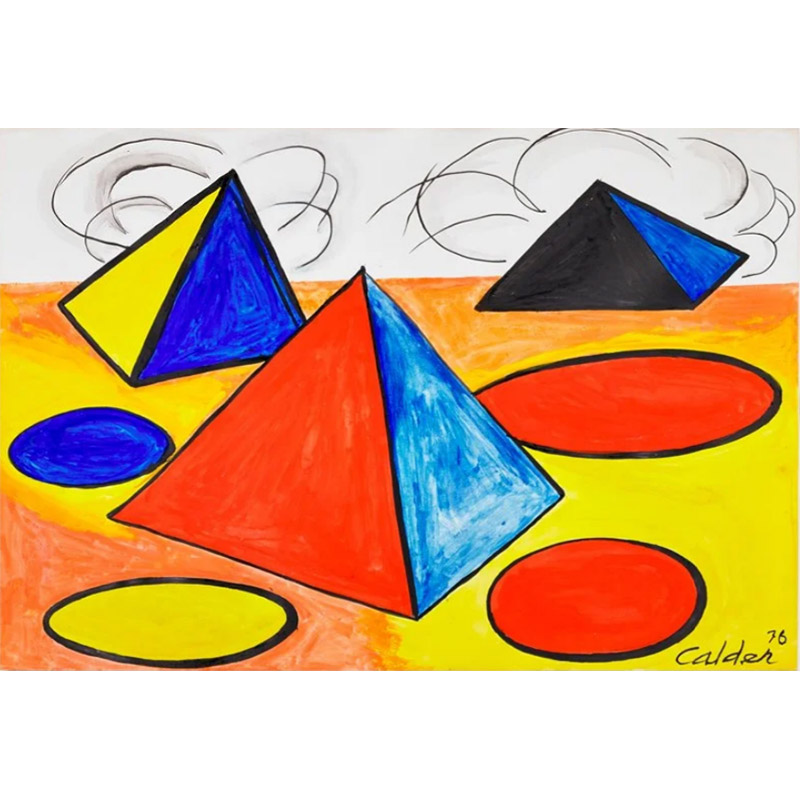
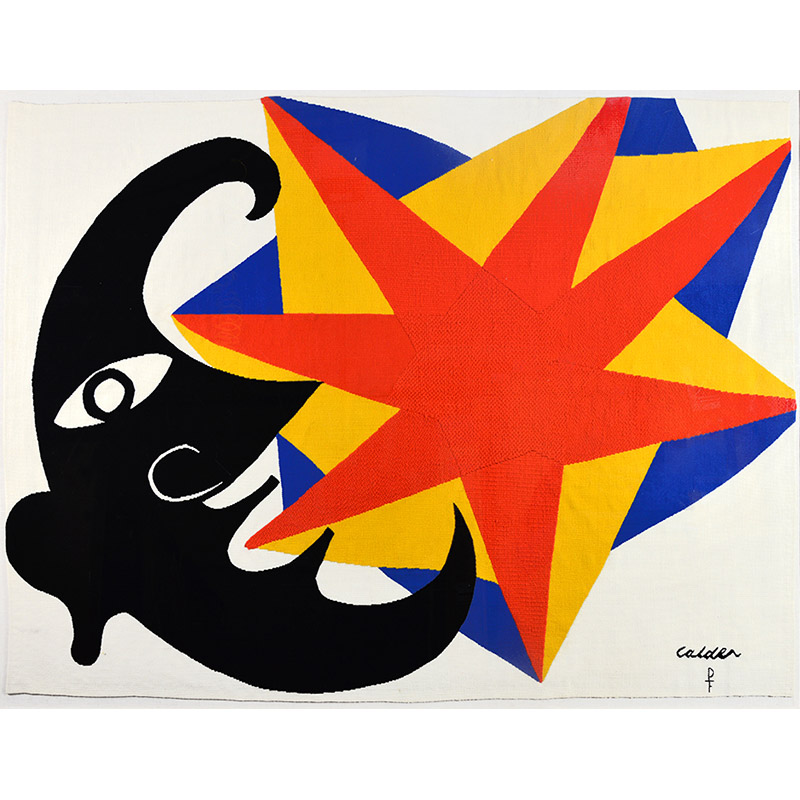
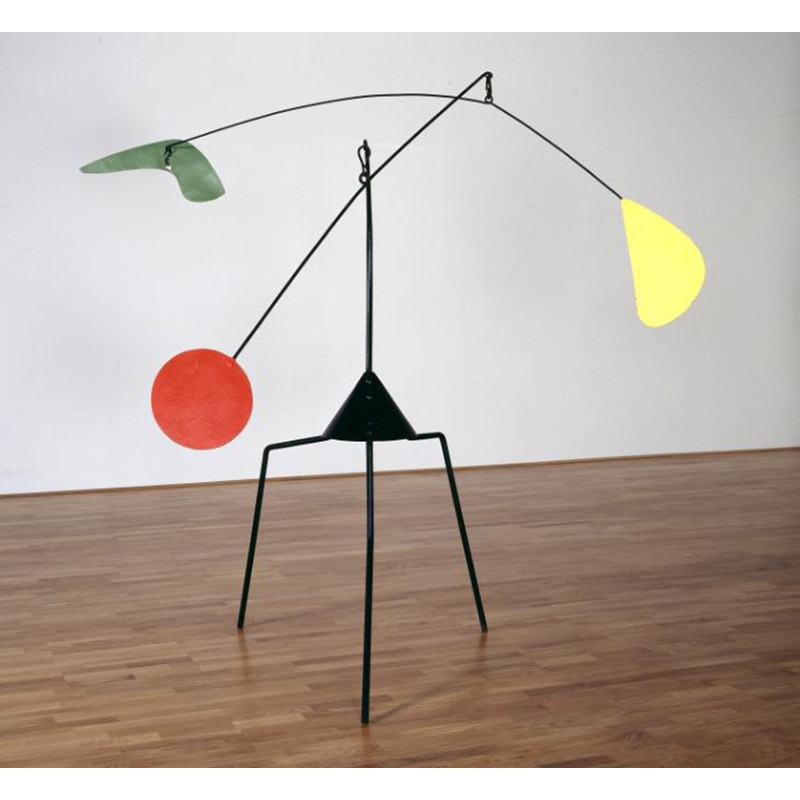
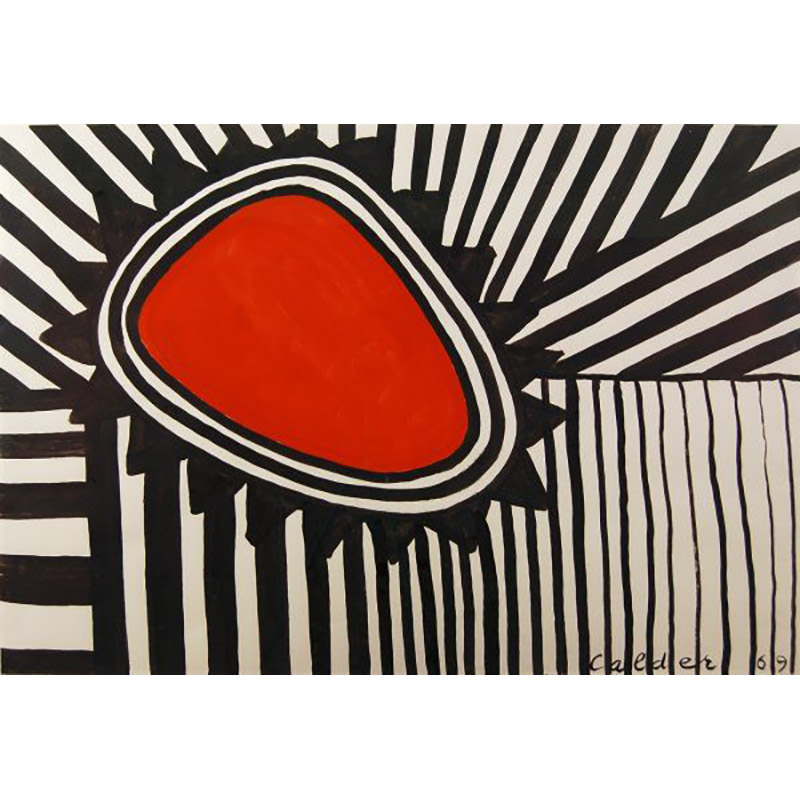
Selling an Alexander Calder begins with identifying exactly what you own and understanding its current market value. Whether you have a Calder mobile, stabile, sculpture, gouache, drawing, print or other artwork, our process is designed to make selling straightforward, confidential and secure.
1. Send Us Photographs of Your Alexander Calder
Start by sending clear photographs of the artwork.
For mobiles, stabiles and sculpture, please include:
- Multiple views of the complete work
- Close-ups of the signature or monogram
- The base and structural connections
- Moving or suspended elements
- Any labels, inscriptions or markings
- Any visible condition issues
For gouaches, drawings and works on paper, send photographs of the front and reverse along with the signature, dimensions and any labels.
Clear photographs are often enough for us to begin researching the work.
2. Tell Us What You Know About the Artwork
You do not need complete records before contacting us, but any information you have can help.
Useful details include:
- Title, if known
- Dimensions
- Medium
- Date
- Signature or monogram
- Provenance or ownership history
- Gallery or auction invoices
- Exhibition history
- Previous appraisal information
- Calder Foundation registration or application number, if available
If the work has been in your family for many years or was acquired directly from a gallery, artist, collector or estate, include that information as well.
3. We Identify the Exact Alexander Calder Work
Correct identification is essential before establishing value.
For sculpture, we may review the medium, materials, construction, dimensions, signature, date, provenance, exhibition history and available Calder Foundation information.
For gouaches and works on paper, we may review the medium, dimensions, signature, date, imagery, provenance and archive information.
For prints, we may review the edition size, signature, numbering, paper, printer, publisher and condition.
Major auction houses similarly catalogue Calder works using details such as medium, dimensions, date, signature, provenance and Calder Foundation archive registration.
4. We Review Calder Foundation Information
For many unique Calder works, archive information can be an important part of the research process.
If the artwork has a Calder Foundation registration or application number, previous correspondence or other archive documentation, please send that information with your submission.
Current Sotheby’s and Christie’s catalogues regularly include Calder Foundation archive application numbers when offering documented Calder works.
Archive information is one part of researching the work and should be considered together with provenance, physical characteristics and other documentation.
5. We Evaluate the Current Market Value
Once the artwork has been identified, we evaluate the specific Calder rather than relying on broad averages for the artist.
Factors we may consider include:
- Medium
- Date or period
- Size and scale
- Construction
- Signature
- Condition
- Provenance
- Exhibition history
- Archive documentation
- Rarity
- Recent comparable sales
- Current collector demand
A hanging mobile, standing mobile, stabile, gouache and signed lithograph each occupy different parts of the Calder market, so the most useful comparisons are works that closely resemble the specific artwork you own.
6. We Review Condition and Provenance
Condition can materially affect the market value of a Calder.
For mobiles, stabiles and sculpture, we may consider:
- Paint surface
- Oxidation
- Structural integrity
- Repairs
- Replacement elements
- Alterations
- Previous restoration
For gouaches and works on paper, we may review:
- Fading
- Foxing
- Staining
- Creases or tears
- Mounting
- Paper discoloration
- Restoration
Provenance can be equally important, particularly for unique Calder works. Gallery invoices, auction records, collection history, exhibition records and direct acquisition history can all help establish the history of the artwork.
7. Receive a Confidential Direct Purchase Offer
If the Alexander Calder is a work we are interested in acquiring, we may make a confidential direct purchase offer.
Our offer is based on the specific artwork, its condition and provenance, relevant documentation, recent comparable sales, current collector demand and our interest in acquiring the work.
There is no obligation to accept an offer. You can review the information and decide whether a direct private sale is right for you.
8. Agree on the Sale
If you choose to accept our offer, we confirm the purchase terms and coordinate the next steps.
A direct private sale can provide greater discretion and more control over timing than consigning an artwork to a future auction.
9. We Arrange Insured Packing, Pickup and Transportation
Once a purchase is agreed upon, we can coordinate packing, pickup and transportation of the artwork.
Calder mobiles and sculpture may require specialized handling because of their construction, balance and moving elements. Depending on the artwork, location and value, we may arrange professional fine-art handlers and white-glove transportation.
Approved packing and transportation costs can be handled as part of the transaction, and the artwork can be insured during approved transit according to the terms of our fine-art insurance coverage.
10. Complete the Sale and Payment
After the transaction requirements are completed, payment is made according to the agreed purchase terms.
Our goal is to make the entire process—from the first photographs through identification, valuation, purchase, insured transportation and payment—as clear and efficient as possible.
What Should I Send to Get Started?
If you are considering selling an Alexander Calder, begin with:
- Clear photographs of the artwork
- Multiple views for sculpture
- Close-up of the signature or monogram
- Dimensions
- Title and date, if known
- Provenance or ownership history
- Gallery or auction documentation
- Calder Foundation information, if available
- Any known condition issues
You do not need to know everything about the artwork before contacting us. Photographs and basic ownership information are often enough for us to begin researching the work and determining whether it may be appropriate for a confidential direct purchase offer.