If you are trying to determine exactly what Alexander Calder artwork you own, the first step is to document the physical work and its history as completely as possible.
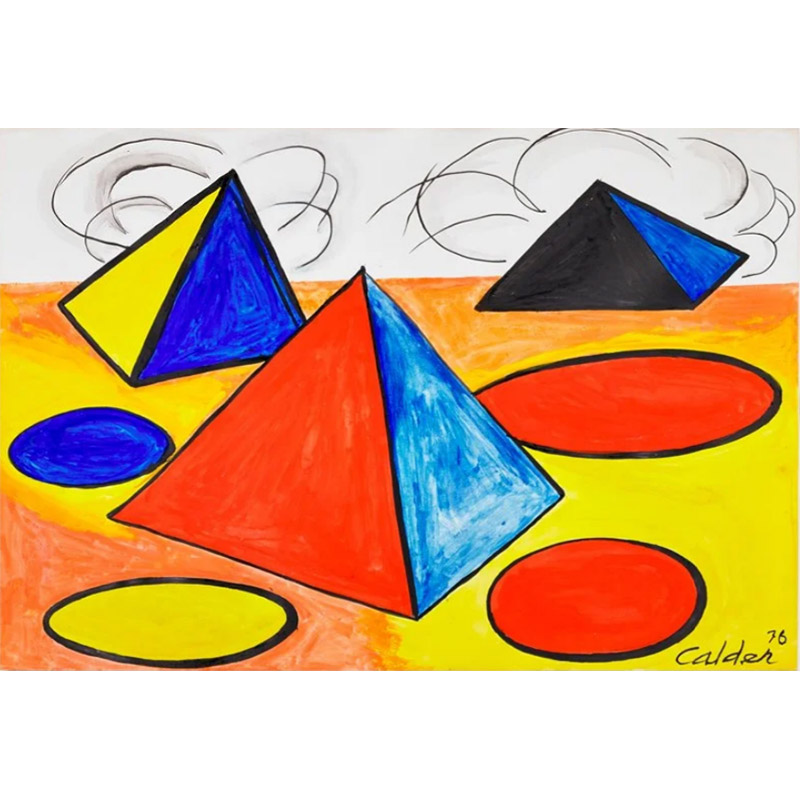
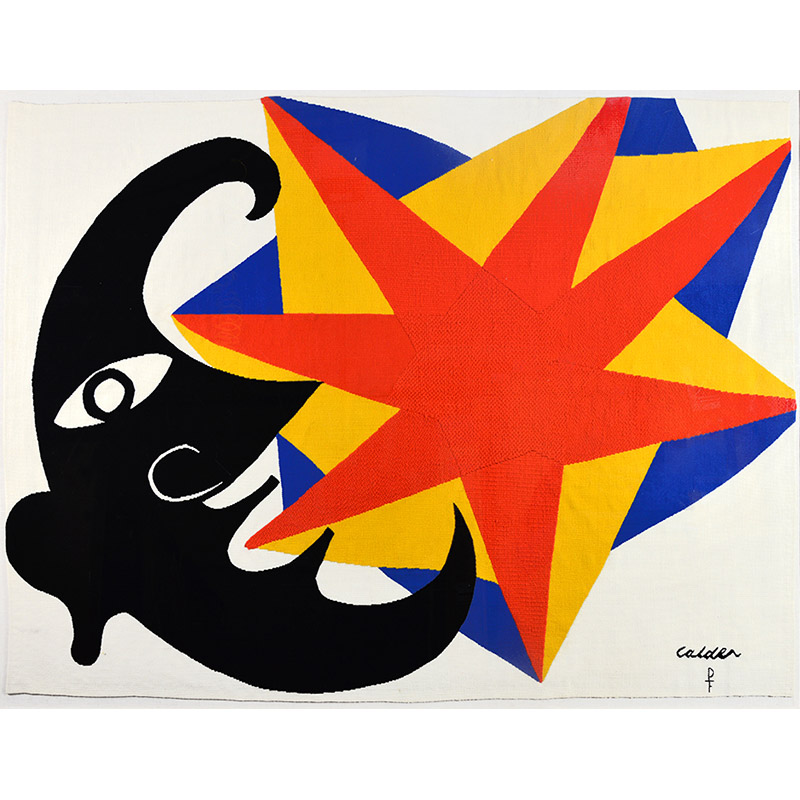
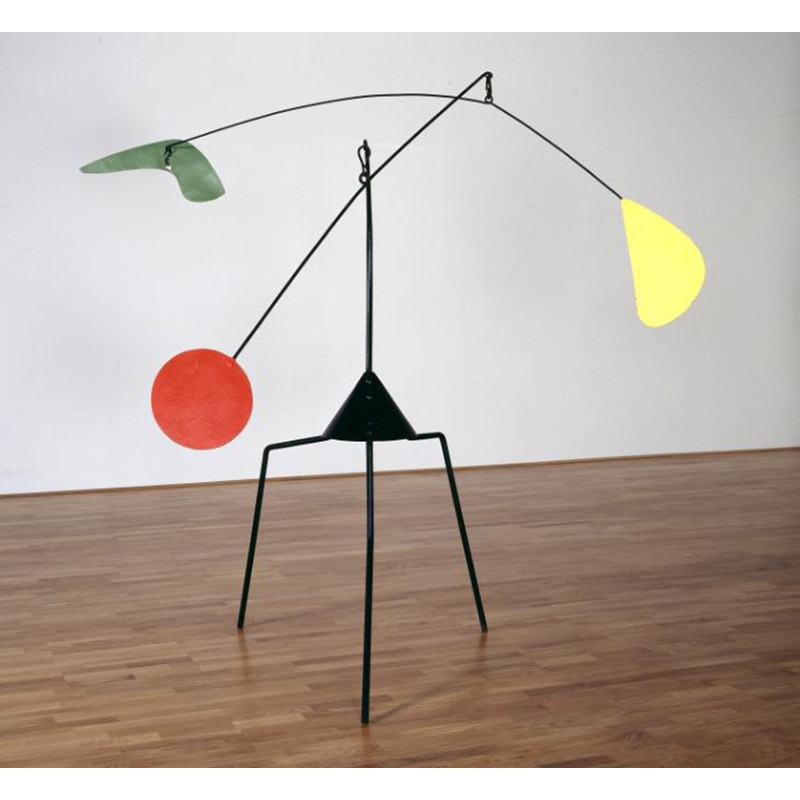
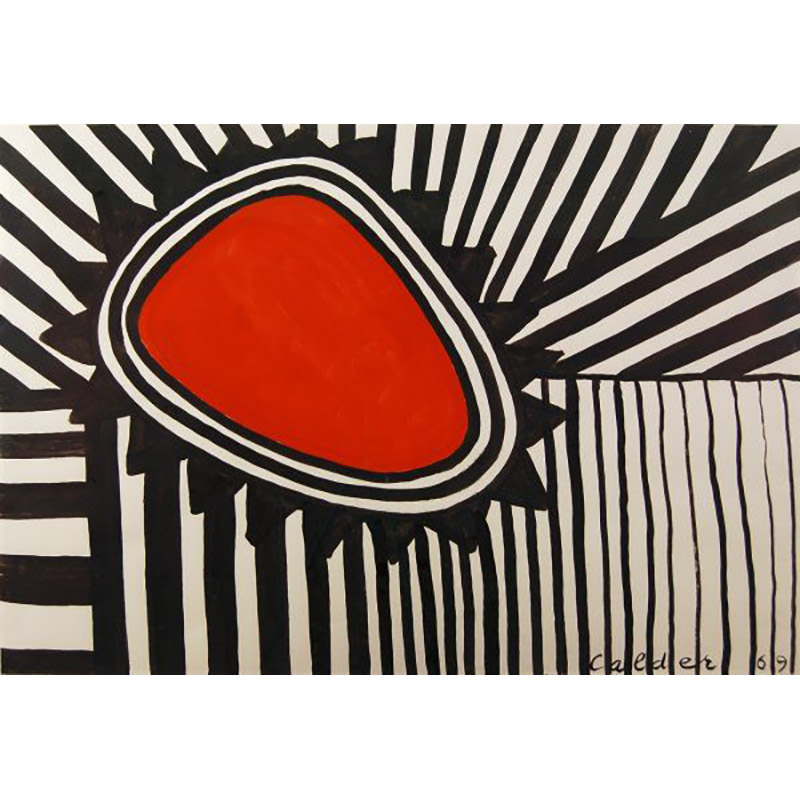
Calder created hanging mobiles, standing mobiles, stabiles, sculpture, gouaches, drawings, prints and other works. Each category has different identifying characteristics, and no single feature—such as a signature—is enough by itself to establish what a work is.
Important research may include the artwork’s medium, dimensions, construction, signature or monogram, date, provenance, exhibition history, labels and any Calder Foundation archive information.
Identify the Type of Alexander Calder Artwork
Correct classification is essential.
Calder’s major categories include:
- Hanging mobiles
- Standing mobiles
- Stabiles
- Wall-mounted and panel works
- Maquettes and smaller sculpture
- Gouaches
- Drawings and works on paper
- Lithographs and other prints
The Calder Foundation itself categorizes works by types such as hanging mobile, standing mobile and stabile, which reinforces the importance of identifying the correct form before researching comparable works or market value. (calder.org)
Check the Signature or Monogram
Calder signed works in different ways depending on the medium and period.
A sculpture may be:
- Signed “Calder”
- Incised with initials or a monogram
- Signed on the base
- Signed on an individual element
Works on paper are often signed and dated in pencil, ink or paint.
A signature can support identification, but it should always be considered together with the medium, construction, provenance, date and other documentation.
Auction records show Calder works signed in different locations and forms. For example, Christie’s records standing mobiles signed with the artist’s initials on the base, while gouaches are often signed and dated on the sheet.
Document Dimensions, Materials and Construction
For mobiles, stabiles and sculpture, record:
- Height
- Width
- Depth or span
- Materials
- Number and shape of elements
- Wire and rod construction
- Base configuration
- Paint colors
- Moving components
- Connections and attachments
These details can be especially important with Calder because works may be visually related while differing materially in scale or construction.
For gouaches and works on paper, record the sheet dimensions, medium, signature and date.
Research Provenance
Provenance is the documented ownership history of an artwork and can be especially important for unique Calder works.
Useful provenance may include:
- Original gallery invoices
- Auction records
- Collection history
- Estate documentation
- Exhibition labels
- Museum loans
- Previous appraisals
- Correspondence with galleries or the Calder Foundation
Important Calder auction records routinely include detailed provenance. Christie’s, for example, documents works passing through galleries such as Perls Galleries and through major private collections before reaching the current owner.
Check Exhibition and Publication History
Exhibition and literature references can help establish the documented history of a Calder artwork.
Useful records may include:
- Museum exhibition catalogues
- Gallery exhibition catalogues
- Catalogue illustrations
- Books about Calder
- Collection catalogues
- Published photographs
Major Calder works frequently appear in auction catalogues with exhibition and literature histories alongside provenance and archive information.
Calder Foundation Archive Registration
The Calder Foundation maintains an extensive archive of Alexander Calder’s work.
If your artwork has:
- A Calder Foundation application number
- Registration correspondence
- Previous archive documentation
- Examination records
include that information when researching or valuing the work.
Archive information can be an important part of the documentation, but it should be considered together with provenance, physical characteristics and other records.
Does Calder Foundation Registration Mean a Work Is Authentic?
Registration should not be treated as a substitute for complete research.
The Foundation maintains archive records and accepts works attributed to Calder for registration and examination, but its process is distinct from providing a market valuation.
When evaluating a work, we still consider the medium, construction, provenance, signature, date, exhibition history and other documentation alongside any Calder Foundation information.
How to Research an Alexander Calder Mobile or Stabile
For a mobile, standing mobile or stabile, clear photographs from multiple angles are especially important.
Document:
- Full front and side views
- Base
- Signature or monogram
- Suspended elements
- Connections and wire
- Paint surface
- Any repairs or replaced parts
- Overall dimensions
Construction details matter because Calder’s sculptural works vary significantly in form, scale and engineering.
How to Research an Alexander Calder Gouache
For gouaches and works on paper, photograph:
- Entire front
- Reverse
- Signature
- Date
- Paper edges
- Labels or stamps
Important research factors may include the medium, date, dimensions, imagery, provenance and Calder Foundation archive information.
What Should I Send to Research My Alexander Calder?
If you are unsure what you own, send:
- Clear photographs of the artwork
- Multiple views for sculpture
- Close-ups of the signature or monogram
- Dimensions
- Title and date, if known
- Provenance or ownership history
- Gallery or auction documentation
- Exhibition labels
- Calder Foundation information, if available
- Any known condition issues
Photographs and basic ownership information are often enough for us to begin researching the artwork and determining the next appropriate step.
Frequently Asked Questions About Researching Alexander Calder Art
How can I tell what type of Calder I own?
Start by identifying whether the work is a hanging mobile, standing mobile, stabile, gouache, drawing, print or another medium. Dimensions, materials, construction, signature and provenance can then be compared with documented examples.
Is a Calder signature enough to identify the work?
No. Signatures are useful but should be considered together with the physical artwork, medium, construction, date, provenance and archive documentation.
What is a Calder Foundation application number?
It is a number associated with a work submitted to or recorded in the Calder Foundation archives. Auction houses often include these numbers when cataloguing documented Calder works.
Can you research a Calder from photographs?
In many cases, photographs provide enough information to begin preliminary research. Sculpture usually requires multiple angles, while works on paper should include the front, reverse, signature, dimensions and labels.
Have an Alexander Calder You Want Researched or Valued?
If you own an Alexander Calder mobile, stabile, gouache, drawing, print or other artwork, we can help review the available information, research comparable works and evaluate its current market.
If the artwork is a work we are actively seeking, we may also make a confidential direct purchase offer.